CRUCIGRAMAS: CONJUGACIÓN DEL PRESENTE DE INDICATIVO

15 crucigramas para dominar el presente de indicaativo

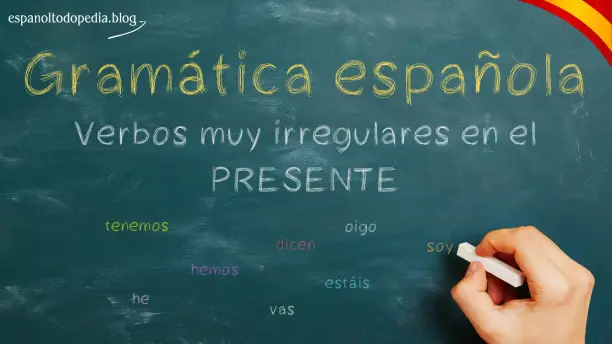
Aquí tienes algunos crucigramas para practicar la conjugación del PRESENTE en español. Primero, vamos a trabajar con los verbos regulares, terminados en -AR y en -ER y -IR, para continuar con los diferentes grupos de verbos irregulares. Presente de indicativo de los verbos regulares terminados en -AR Empezamos con los verbos terminados en -AR, los … Leer más

Spanish verbs with FIRST PERSON IRREGULAR «YO»

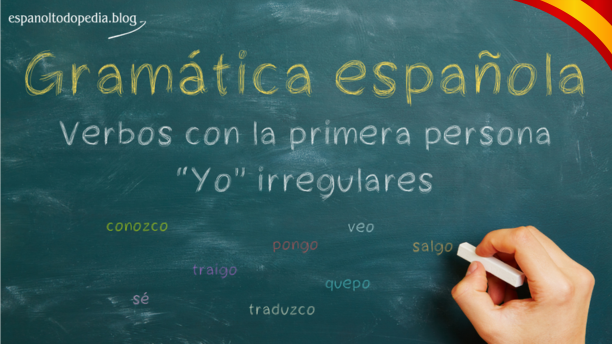
First person irregular

This group of irregular verbs is super easy — but very important! These verbs are special because ONLY the first-person singular (yo) form is irregular. All the other forms are completely regular. To make them easier to learn, we can organize them into three mini-groups: 1. Verbs that don’t follow any specific pattern: Dar (to … Leer más

CRUCIGRAMAS: CONJUGACIÓN DEL IMPERATIVO AFIRMATIVO

Aprende la conjugación del imperativo afirmativo con crucigramas

Aprender el uso del imperativo es fundamental en español para poder comunicarte de manera natural, ya que no solo se utiliza para dar órdenes, sino también para dar instrucciones, dar consejos, invitar o llamar la atención.  En la lección de hoy vamos a practicar la conjugación del imperativo afirmativo con crucigramas. Haz clic en el … Leer más

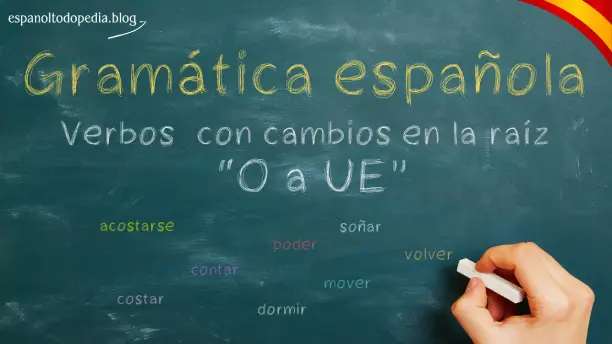
Verbos irregulares con cambios radicales O-UE: cuáles son y cómo se usan

Verbos con cambios radicales O-UE

En español, hay algunos verbos irregulares con cambios radicales O-UE, cuando los conjugamos en presente. Entre ellos, encontramos verbos muy frecuentes y útiles, como poder (to be able to, can), volver (to return), acostarse (to go to bed) o contar (to tell, count). Aquí tienes algunos ejemplos:  Siempre me acuesto temprano (I always go to … Leer más

Spanish verb GUSTAR: How to use it?

Spanish verb GUSTAR

The Spanish verb GUSTAR expresses likes and dislikes, which can be tricky for English speakers.  To learn how it works, we offer a video, easy-to-understand grammar explanations, numerous examples, and practice quizzes. Let’s start with the video. Don’t forget to repeat the example to become familiar with the pronunciation.  Let´s review the conjugation: How … Leer más

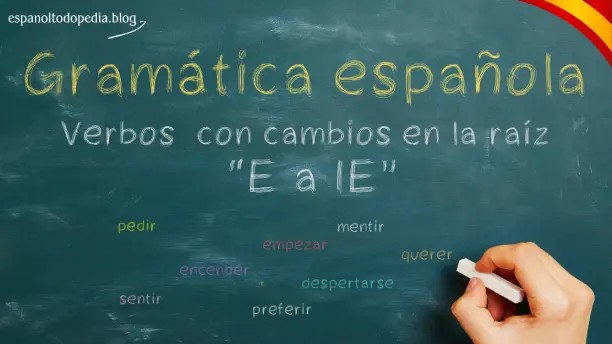
Verbos con cambios radicales E-IE: cuáles son y cómo se usan

Verbos con cambios radicales E-IE

En español, algunos verbos irregulares en presente cambian su raíz al conjugarse. Hoy vamos a hablar de los verbos con cambios radicales E-IE, también llamados verbos de la bota. Entre estos verbos hay algunos muy importantes, como pensar (to think), querer (to want) o entender (to understand). Pienso que tienes razón (I think you are … Leer más

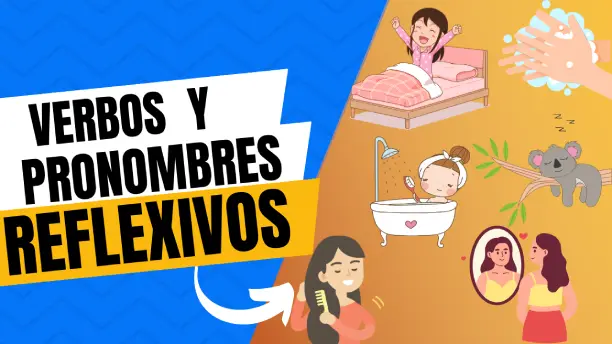
Spanish REFLEXIVE verbs and pronouns

Verbos y pronombres reflexivos

Spanish reflexive verbs are those where the subject and the object are the same, and where the action “reflects back” on the subject. They must be used with a reflexive pronoun, such as myself, yourself, and himself, in English. The video below will help you better understand how reflexive verbs work in Spanish, with many examples that will … Leer más

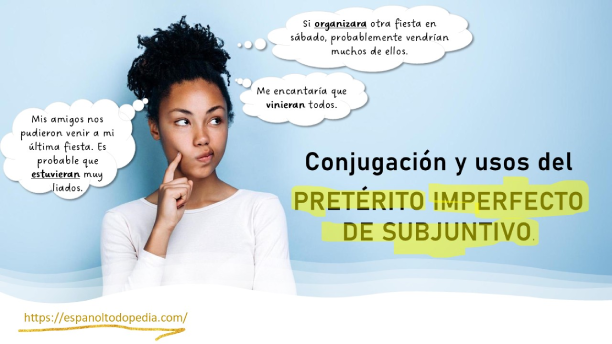
Pretérito IMPERFECTO de SUBJUNTIVO

Pretérito imperfecto de subjuntivo: usos y conjugación.

El pretérito imperfecto de subjuntivo nos va a servir para, entre otras cosas, expresarnos en pasado  cuando necesitemos utilizar el subjuntivo. La buena noticia es que su conjugación es muy fácil, ya que se basa  enteramente en el pretérito indefinido (eso sí, tienes que conocer bien está conjugación, para usar el pretérito imperfecto de subjuntivo con … Leer más

error: Content is protected !!