CRUCIGRAMAS: CONJUGACIÓN DEL PRESENTE DE INDICATIVO

15 crucigramas para dominar el presente de indicaativo

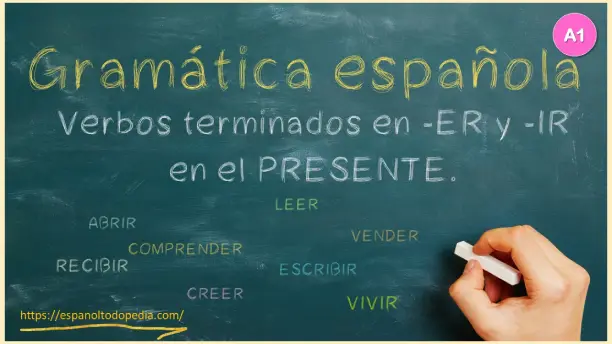
Aquí tienes algunos crucigramas para practicar la conjugación del PRESENTE en español. Primero, vamos a trabajar con los verbos regulares, terminados en -AR y en -ER y -IR, para continuar con los diferentes grupos de verbos irregulares. Presente de indicativo de los verbos regulares terminados en -AR Empezamos con los verbos terminados en -AR, los … Leer más

Spanish verbs with FIRST PERSON IRREGULAR «YO»

First person irregular

This group of irregular verbs is super easy — but very important! These verbs are special because ONLY the first-person singular (yo) form is irregular. All the other forms are completely regular. To make them easier to learn, we can organize them into three mini-groups: 1. Verbs that don’t follow any specific pattern: Dar (to … Leer más

Verbos irregulares con cambios radicales O-UE: cuáles son y cómo se usan

Verbos con cambios radicales O-UE

En español, hay algunos verbos irregulares con cambios radicales O-UE, cuando los conjugamos en presente. Entre ellos, encontramos verbos muy frecuentes y útiles, como poder (to be able to, can), volver (to return), acostarse (to go to bed) o contar (to tell, count). Aquí tienes algunos ejemplos:  Siempre me acuesto temprano (I always go to … Leer más

Verbos con cambios radicales E-IE: cuáles son y cómo se usan

Verbos con cambios radicales E-IE

En español, algunos verbos irregulares en presente cambian su raíz al conjugarse. Hoy vamos a hablar de los verbos con cambios radicales E-IE, también llamados verbos de la bota. Entre estos verbos hay algunos muy importantes, como pensar (to think), querer (to want) o entender (to understand). Pienso que tienes razón (I think you are … Leer más

Spanish verbs with AR, present tense (A1)

Verbos terminados en AR en el PRESENTE

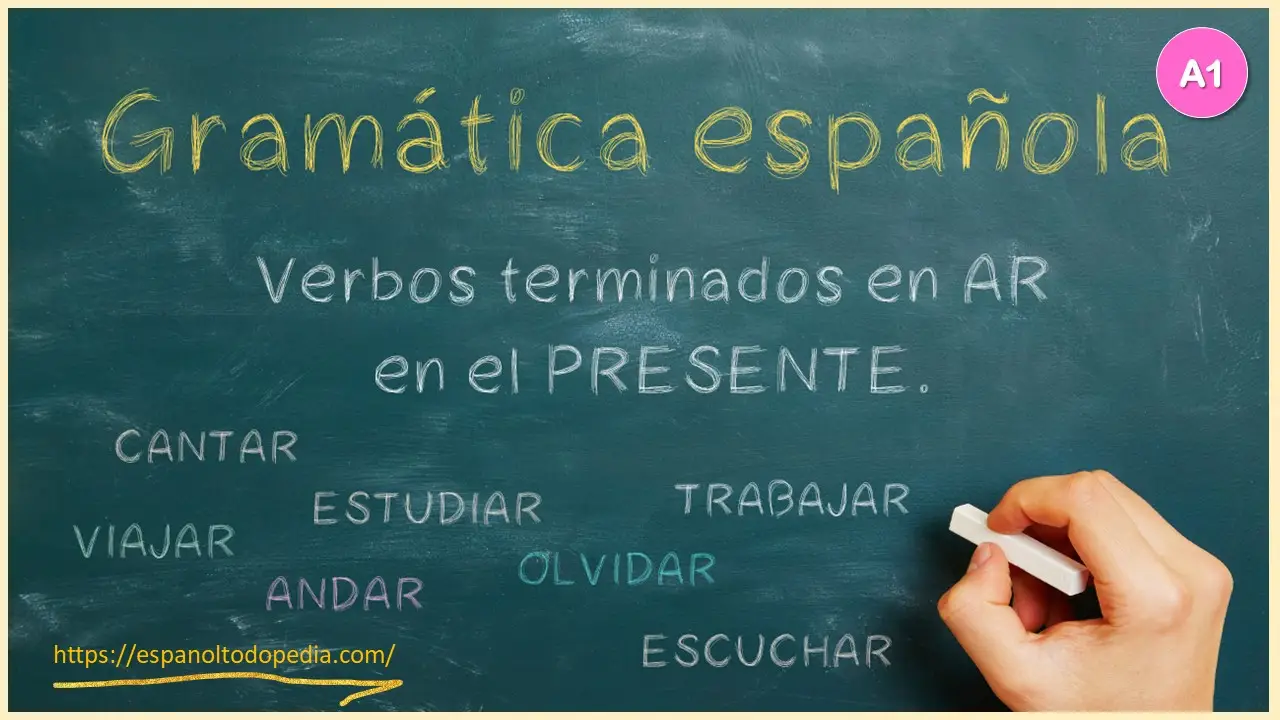
Spanish verbs are divided into three main groups according to their ending -AR, -ER or -IR.  The -AR verbs are the largest category (around 80% of all), and the good news is that more of them are regular. To conjugate these verbs, remove the ending (-ar) and then add the corresponding termination according to the subject pronoun (yo, tú, él, usted…) … Leer más

error: Content is protected !!