Mini test del SUBJUNTIVO, para descubrir cuánto sabes

Mini-Test sobre el subjutivo

En la entrada de hoy, te proponemos un mini test del subjuntivo para comprobar cuánto sabes sobre este tema, fundamental para la mayoría de los estudiantes de español como lengua extranjera de nivel intermedio. De ahí que hayamos publicado más de 20 entradas relacionadas con este tema. Las tenemos tanto para conjugar los diferentes tiempos del … Leer más
6 ejercicios con los PRONOMBRES DE SUJETO

6 Ejercicios con pronombres de sujeto

Hoy te presentamos 6 ejercicios con los pronombres de sujeto (pronombres personales de sujeto) en español. Un tema básico pero que debes controlar bien desde el principio. Haz clic aquí si quieres ir directamente a los ejercicios interactivos.  ¿Cuáles son los pronombres de sujeto? Aquí tienes una tabla con los pronombres de sujeto. Recuerda que … Leer más

Verbs TENER and HABER: to ways to say to have

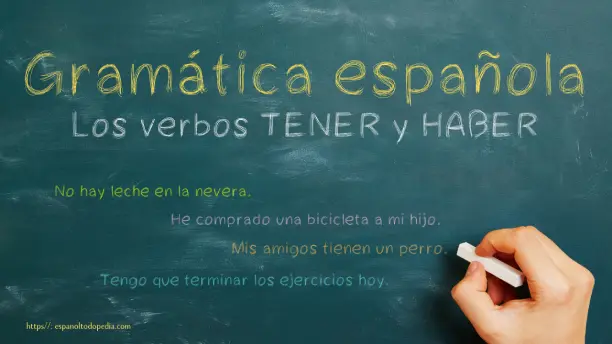
Verbos TENER y HABER

Today, we are going to clarify one of the most common doubts when learning Spanish: when do we use the verbs TENER and HABER? Although they may sometimes seem similar, they can actually be translated as «to have», but they have very different functions and are used in other contexts. In the video below, you … Leer más

OJALÁ para expresar deseos con el SUBJUNTIVO

OJALÁ para expresar deseos.

La palabra «ojalá« es una interjección exclamativa que se usa para expresar deseos en pasado presente o futuro. Hay que utilizarla siempre verbo en el modo subjuntivo Proviene de la expresión árabe In šāʾ Allāh (إن شاء الله), que significa «si Dios quiere». ¡Veamos cómo se usa correctamente! Cómo usar «Ojalá» en español: Significado, reglas y … Leer más

Verbos irregulares con cambios radicales O-UE: cuáles son y cómo se usan

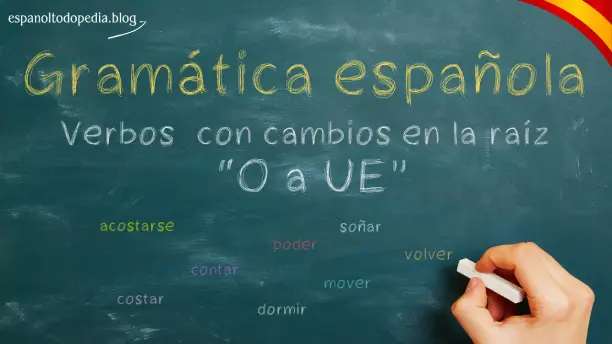
Verbos con cambios radicales O-UE

En español, hay algunos verbos irregulares con cambios radicales O-UE, cuando los conjugamos en presente. Entre ellos, encontramos verbos muy frecuentes y útiles, como poder (to be able to, can), volver (to return), acostarse (to go to bed) o contar (to tell, count). Aquí tienes algunos ejemplos:  Siempre me acuesto temprano (I always go to … Leer más

Spanish verb GUSTAR: How to use it?

Spanish verb GUSTAR

The Spanish verb GUSTAR expresses likes and dislikes, which can be tricky for English speakers.  To learn how it works, we offer a video, easy-to-understand grammar explanations, numerous examples, and practice quizzes. Let’s start with the video. Don’t forget to repeat the example to become familiar with the pronunciation.  Let´s review the conjugation: How … Leer más

Spanish REFLEXIVE verbs and pronouns

Verbos y pronombres reflexivos

Spanish reflexive verbs are those where the subject and the object are the same, and where the action “reflects back” on the subject. They must be used with a reflexive pronoun, such as myself, yourself, and himself, in English. The video below will help you better understand how reflexive verbs work in Spanish, with many examples that will … Leer más

Definite and Indefinite ARTICLES in Spanish

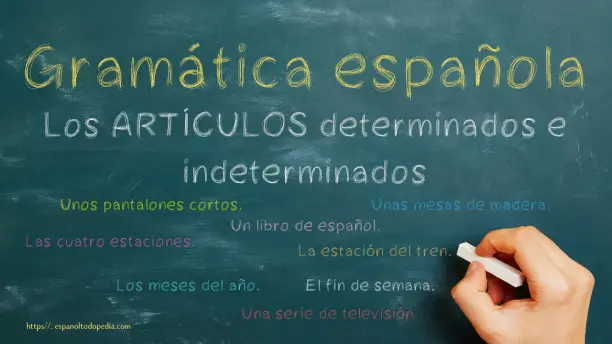
Los artículos en español

In Spanish, we use small words called articles to talk about people, things, or places. Articles are very important because they accompany nouns and tell us if we are talking about something known or something new. There are two types: definite and indefinite. The definite articles are el, la, los, las. We use these when the person … Leer más

INDIRECT OBJECT PRONOUNS in Spanish

Indirect Object Pronouns in Spanish

Today, we will learn about indirect object pronouns. For instance, in English, you say: I give her a book. She tells me a story. The words in bold (her, me) are indirect object pronouns. They tell us to whom or for whom the action happens. In Spanish, we also use indirect object pronouns. They are … Leer más

error: Content is protected !!