Verbos irregulares con cambios radicales O-UE: cuáles son y cómo se usan
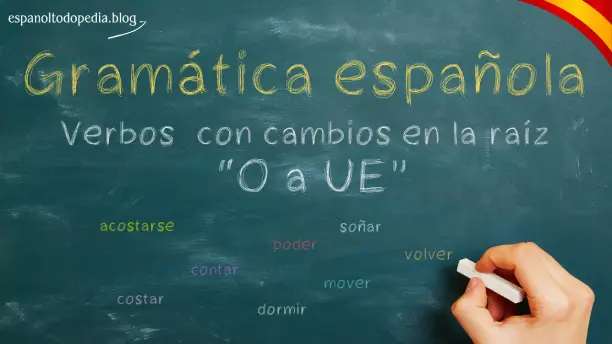
Verbos con cambios radicales O-UE

En español, hay algunos verbos irregulares con cambios radicales O-UE, cuando los conjugamos en presente. Entre ellos, encontramos verbos muy frecuentes y útiles, como poder (to be able to, can), volver (to return), acostarse (to go to bed) o contar (to tell, count). Aquí tienes algunos ejemplos:  Siempre me acuesto temprano (I always go to … Leer más

Spanish verb GUSTAR: How to use it?

Spanish verb GUSTAR

The Spanish verb GUSTAR expresses likes and dislikes, which can be tricky for English speakers.  To learn how it works, we offer a video, easy-to-understand grammar explanations, numerous examples, and practice quizzes. Let’s start with the video. Don’t forget to repeat the example to become familiar with the pronunciation.  Let´s review the conjugation: How … Leer más

Verbos con cambios radicales E-IE: cuáles son y cómo se usan

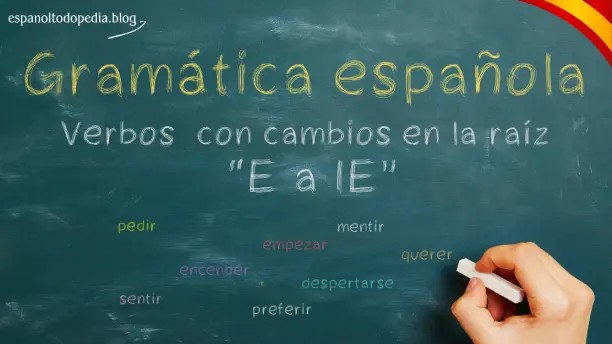
Verbos con cambios radicales E-IE

En español, algunos verbos irregulares en presente cambian su raíz al conjugarse. Hoy vamos a hablar de los verbos con cambios radicales E-IE, también llamados verbos de la bota. Entre estos verbos hay algunos muy importantes, como pensar (to think), querer (to want) o entender (to understand). Pienso que tienes razón (I think you are … Leer más

Learn 100 ADJECTIVES in Spanish

100 adjectives in Spanish

In this article, you will discover a table with 100 essential adjectives in Spanish and six interactive exercises to help you practice them. Adjectives are key to mastering any language because they give you the power to describe the world around you and express your ideas more clearly. They enrich your conversations when discussing people, … Leer más

Spanish REFLEXIVE verbs and pronouns

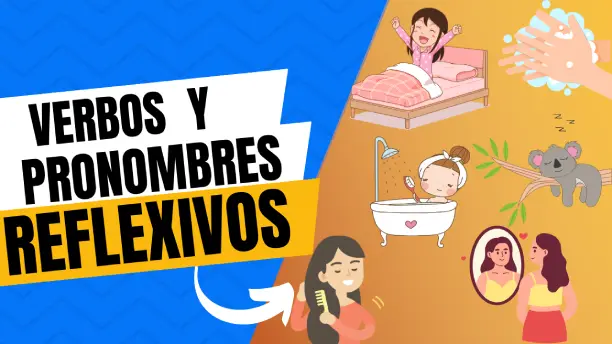
Verbos y pronombres reflexivos

Spanish reflexive verbs are those where the subject and the object are the same, and where the action “reflects back” on the subject. They must be used with a reflexive pronoun, such as myself, yourself, and himself, in English. The video below will help you better understand how reflexive verbs work in Spanish, with many examples that will … Leer más

Definite and Indefinite ARTICLES in Spanish

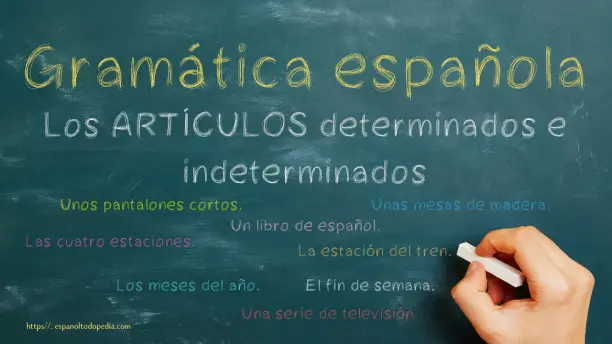
Los artículos en español

In Spanish, we use small words called articles to talk about people, things, or places. Articles are very important because they accompany nouns and tell us if we are talking about something known or something new. There are two types: definite and indefinite. The definite articles are el, la, los, las. We use these when the person … Leer más

INDIRECT OBJECT PRONOUNS in Spanish

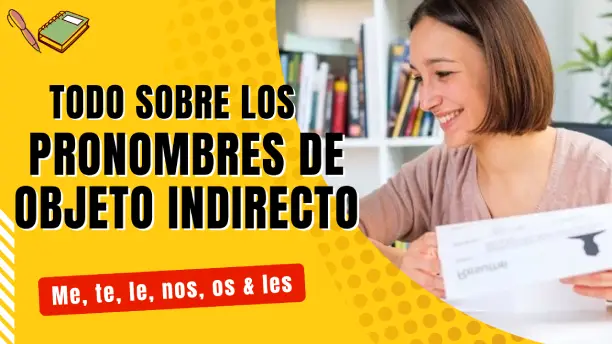
Indirect Object Pronouns in Spanish

Today, we will learn about indirect object pronouns. For instance, in English, you say: I give her a book. She tells me a story. The words in bold (her, me) are indirect object pronouns. They tell us to whom or for whom the action happens. In Spanish, we also use indirect object pronouns. They are … Leer más

SPANISH ADJECTIVES and how to use them

Spanish adjectives are words that describe a characteristic or quality of the noun they accompany. For example, in the sentence: El coche/carro rojo (the red car) → «rojo» is a descriptive adjective because it indicates a quality of the car (its color). They are used to clarify or enrich information about people, objects, animals, etc. … Leer más

6 ejercicios para practicar el FUTURO SIMPLE en español

Ejercicios para practicar el futuro simple

Hoy tenemos para ti seis juegos interactivos para practicar la conjugación del futuro simple, también llamado imperfecto. Es muy fácil, hay una única terminación para los verbos terminados en -AR, -ER o -IR.  Como puedes ver en el cuadro abajo, solo hay doce verbos irregulares que tienen la misma terminación que los regulares, pero sufren … Leer más

error: Content is protected !!